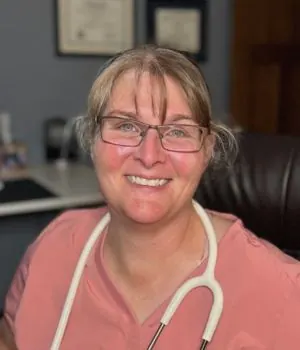
A Note From Jody
One of the most common things I hear from women is, “I’ve never really felt like my hormones were normal.”
They describe years of irregular periods, stubborn acne, unexpected weight gain, unwanted facial hair, or difficulty becoming pregnant. Many have seen multiple providers before finally getting answers.
If this sounds familiar, you’re not alone.
This month, we’re talking about a condition that affects millions of women but is often misunderstood. You may know it as PCOS, but earlier this year experts officially changed its name to Polyendocrine Metabolic Ovarian Syndrome (PMOS) to better reflect how it affects the entire body, not just the ovaries.
This Month’s Women’s Health Check-In Focuses On:
This month’s Women’s Health Check-In is for:
- Women with irregular or missed periods
- Women struggling with acne or unwanted facial hair
- Women experiencing unexplained weight gain or insulin resistance
- Women trying to understand why they don’t feel like themselves
- Anyone who has heard the terms PCOS or PMOS and wants clear, evidence-based information
Understanding your symptoms is the first step toward finding answers and creating a plan that fits your health goals.
Clinic Corner
As we settle into our new office, we’re grateful for the opportunity to welcome both new and returning patients into our growing practice.
Our new space allows us to continue providing the same personalized, unrushed care while serving women from Andover, Wichita, and surrounding communities.
Thank you for trusting KS Women’s Health Clinic with your care. We’re honored to be part of your healthcare journey.
Did You Know?
Earlier this year, experts officially renamed Polycystic Ovary Syndrome (PCOS) to Polyendocrine Metabolic Ovarian Syndrome (PMOS).
The new name recognizes that this condition affects much more than the ovaries. It can influence hormone balance, metabolism, skin health, menstrual cycles, fertility, and long-term wellness. You’ll still hear both names used, and many people will continue searching for “PCOS” while the new terminology becomes more familiar.
PMOS: More Than Just Ovarian Cysts
Despite its former name, many women with PMOS do not actually have ovarian cysts.
PMOS is a hormonal and metabolic condition that can affect women differently. Some women experience irregular periods, while others struggle with acne, excess hair growth, weight changes, or difficulty becoming pregnant.
Common symptoms include:
- Irregular or missed periods
- Persistent acne
- Unwanted facial or body hair
- Thinning hair on the scalp
- Weight gain or difficulty losing weight
- Darkened areas of skin
- Difficulty becoming pregnant
Every woman’s experience is different, which is one reason PMOS is sometimes difficult to recognize.
When Should You Talk With a Healthcare Provider?
It may be time to schedule an evaluation if you are experiencing:
- Periods that remain consistently irregular
- Symptoms of excess hair growth or persistent acne
- Unexplained weight gain despite healthy habits
- Difficulty becoming pregnant
- Symptoms that have never felt fully explained
Early evaluation can help identify contributing factors and guide treatment based on your personal health goals. Want to schedule your visit? Call (316) 247-0402 or go to GYN care page to schedule.
Jody’s Practical Tips
- Keep track of your menstrual cycles and symptoms.
- Don’t ignore changes that have persisted for months or years.
- Focus on balanced nutrition, regular movement, and quality sleep.
- Remember that treatment is individualized. There is no one-size-fits-all approach.
Most importantly, know that your symptoms are real, and you deserve thoughtful answers.
Frequently Asked Questions
Can you have PMOS without ovarian cysts?
Yes. Many women diagnosed with PMOS do not have ovarian cysts.
Is PMOS only about fertility?
No. PMOS can affect metabolism, hormones, skin, menstrual cycles, and overall health.
Can PMOS be treated?
While there isn’t a single cure, symptoms can often be managed through individualized treatment based on your health goals.
Become a Patient or Stay Connected
If you’ve been living with symptoms that don’t seem to fit together or if you’ve wondered whether PMOS could explain what you’ve been experiencing, we’re here to help.
KS Women’s Health Clinic provides longer, education-focused visits designed to understand the full picture of your health. Together, we’ll discuss your symptoms, answer your questions, and create a personalized care plan.
Visit our Services page to request an appointment.
Follow Us
Follow KS Women’s Health Clinic on Instagram, Facebook, YouTube, and LinkedIn for ongoing education, women’s health updates, and clinic news.
Disclaimer
This newsletter is for educational purposes only and is not a substitute for individualized medical advice. Please consult a qualified healthcare provider for personal medical concerns.