
A Note from Jody
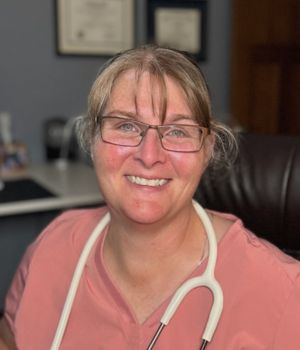
By March, many women are already feeling stretched thin. Busy schedules, stress, and ongoing symptoms can leave you feeling frustrated, especially when you have been told everything is “normal.”
Heavy periods. Painful cramping. Mood changes. Irregular bleeding. These symptoms may not necessarily be normal.
While menstrual cycles do change over time, ongoing symptoms are not something you should simply accept as being normal. Birth control can be helpful in many situations, but it is not the only option and it should never be offered without thoughtful discussion. The “why” is just as important as the treatment.
This month, we are talking about menstrual cycles, heavy bleeding, and how birth control can be used intentionally as part of medical care rather than as a one size fits all solution.
This month’s newsletter focuses on:
- Teens and young adults with painful or irregular periods
- Women frustrated by heavy bleeding or unpredictable cycles
- Patients who were offered birth control without explanation
- Anyone who wants to better understand their menstrual health
Education is the first step toward confidence, clarity, and better care. Education helps you make informed decisions with confidence.
Clinic Corner
Here is what is happening this month:
- We will have a booth at the Wichita Women’s Fair, April 24–27 at Century II. If you are attending, I would love for you to stop by, ask questions, and learn more about our services. More details will be shared soon.
- The KS Women’s Health Clinic website continues to grow with new blogs and patient education tools.
- I continue to see patients at Sakura Health & Wellness, in the same location, while continuing to build KS Women’s Health Clinic services and resources.
- Longer visits remain central to care because understanding why something is happening matters just as much as treating it.
Heavy, Painful, or Irregular Periods: When to Look Deeper
Periods that interfere with your daily life deserve attention.
Common concerns include:
- Heavy bleeding or passing large clots
- Cycles that are unpredictable or too frequent
- Severe cramping or pelvic pain
- Fatigue, dizziness, or brain fog around your cycle
These symptoms can be related to hormonal imbalance, fibroids, PCOS, endometriosis, or perimenopause. Too often, women are told this is simply part of being a woman.
Jody’s Practical Tips
- Track your cycles, bleeding days, and symptoms for at least two to three months. Patterns provide important clues.
- If you are soaking through pads or tampons every one to two hours, that is not typical and should be evaluated.
- Period pain that affects work, school, or relationships deserves a proper evaluation to determine the why and the potential treatments available.
Good gynecologic care looks at the full picture, not just temporary symptom relief.
Birth Control: More Than Pregnancy Prevention
Birth control is often discussed only in terms of preventing pregnancy. However, it can also be used thoughtfully to manage medical concerns.
Birth control may help with:
- Heavy or painful periods
- Irregular cycles
- Acne or hormonal symptoms
- Endometriosis or PCOS management
That said, every woman responds differently to birth control. Birth control should be part of a shared decision making process that considers your goals, symptoms, and long term health.
What Informed Birth Control Care Looks Like
- A review of your health history and personal goals
- Clear discussion of risks, benefits, and potential side effects of using and not using a potential birth control method
- Choosing options that fit your life stage and preferences
The right option is the one that aligns with your body, your health, and your priorities.
Become a Patient
If you are looking for gynecologic care that prioritizes listening, education, and individualized treatment rather than rushed visits, I would be honored to care for you.
Visit our Services page to book the service of your choice today.
Follow Us
Follow along on Instagram, Facebook, YouTube, and LinkedIn.
Disclaimer
This newsletter is for educational purposes only and is not a substitute for individualized medical advice. Please consult a qualified healthcare provider for personal medical concerns.