
Libido after menopause often changes due to shifts in hormones, overall health, and life stressors. Understanding what is normal, why these changes happen, and when support may help can make this stage feel less confusing and more manageable.
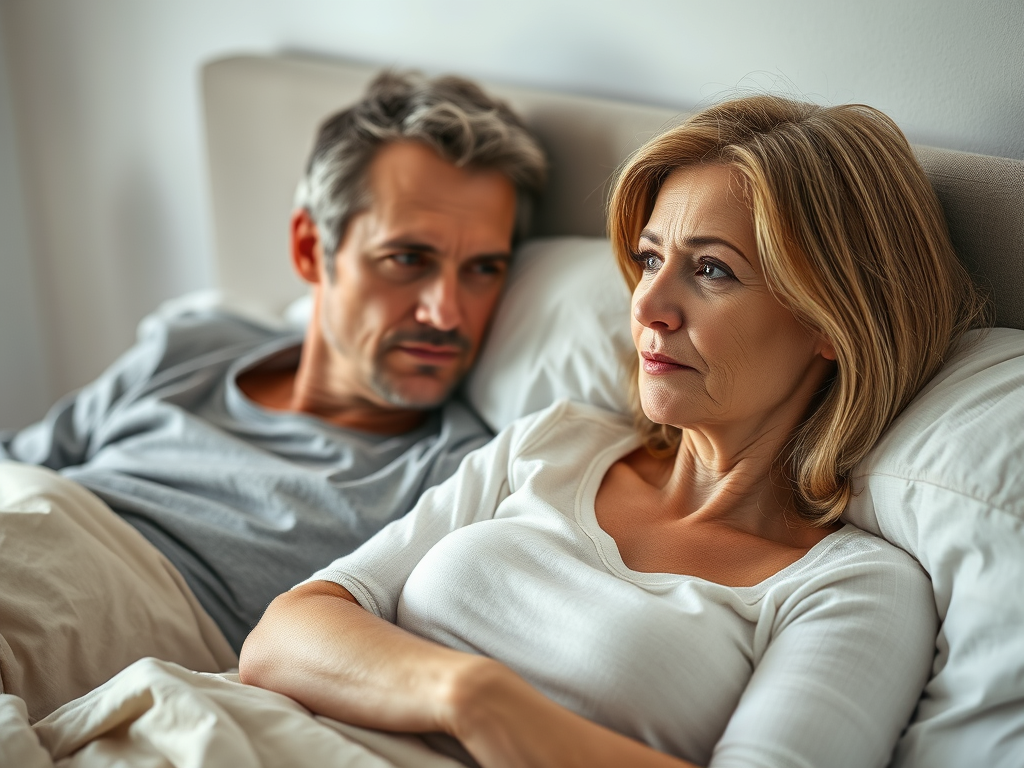
What is Libido?
Libido is simply a term for your overall sexual desire or “sex drive.” It’s completely normal for libido to ebb and flow over a lifetime. There’s no single “normal” level, what matters is what feels right for you.
Libido is influenced by a complex mix of biological, psychological, physical, and social factors: hormones, brain chemistry, stress, emotional wellbeing, relationship dynamics, general health, medications, all of these play a role.
Why Libido Often Changes with Menopause & Midlife
As many women enter menopause or post‑menopause, changes in hormone levels, especially drops in estrogen and (to a lesser extent) testosterone, can alter sexual desire.
These hormonal shifts can also cause physical changes: vaginal dryness, reduced elasticity or sensitivity, discomfort during sex, and changes in arousal or pleasure. As a result, even if desire remains mentally intact, the body may respond differently which can dampen libido or make intimacy less comfortable.
But it’s important to remember: changes are common and they do not mean the end of sexual desire or enjoyment. Many women report rediscovering intimacy and satisfaction even after menopause.
What Contributes to Low Libido (Besides Hormones)
Declines in sexual desire aren’t always about hormones alone. Other contributing factors can include:
- Stress, fatigue, poor sleep, and busy lifestyles. All of which can lower energy, mood, and interest.
- Physical health issues or chronic conditions. For example, thyroid disorders, cardiovascular issues, chronic pain, medication side‑effects, etc.
- Mental and emotional well-being, depression, anxiety, low mood, body‑image concerns, or past trauma can all diminish libido.
- Relationship dynamics and intimacy, lack of emotional connection, or poor communication with a partner can also impact desire.
Ways to Reconnect with Desire & Sexual Well‑Being in Midlife
If you’re navigating changes and want to support your sexual health and libido, these ideas may help:
- Nurture overall health with good sleep, a balanced diet, regular physical activity (including pelvic‑floor or gentle exercise), and stress reduction can support energy, circulation, mood, and hormone regulation.
- Communicate openly with your partner by discussing what feels good, what doesn’t, your desires, and boundaries will help to foster intimacy beyond just sex. Emotional closeness often reignites physical desire.
- Explore what feels good, like gentle touch, sensual massage, extended foreplay, or other forms of intimacy beyond penetrative sex. This can rekindle sensation and desire, especially if physical changes have made sex less comfortable.
- Seek professional support when needed if you suspect hormonal imbalance, discomfort, persistent low desire, or other concerns. A trusted healthcare provider or sexual‑health specialist can help explore options.
A Gentle Reminder: Desire Changes? That’s Okay
Libido is not fixed. It’s deeply personal and can evolve with life’s phases. According to the Menopause Society, changes in libido after menopause are common and may be related to hormone shifts, vaginal changes, sleep disruption, and overall health. Midlife, including post‑menopause, doesn’t mean the end of desire, intimacy, or sensuality. On the contrary, many women find this stage offers a chance to rediscover their body, redefine pleasure, and build intimacy in ways that feel more aligned, empowered, and meaningful.
There’s no shame in changes, no “wrong” libido level. What matters is that you feel good in your body, and honest about your needs, and that you honor yourself and your partner in whatever form intimacy takes now. Learn more about our services here.
This article is for education only and is not medical advice. See our Medical Disclaimer.